
Blog
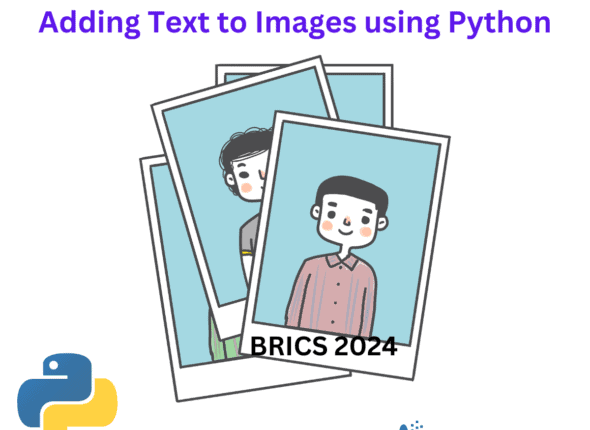
How to Add Text to Images using Python
The easiest way to add text to an image with Python is by using the Pillow Library’s ImageDraw and ImageFont…
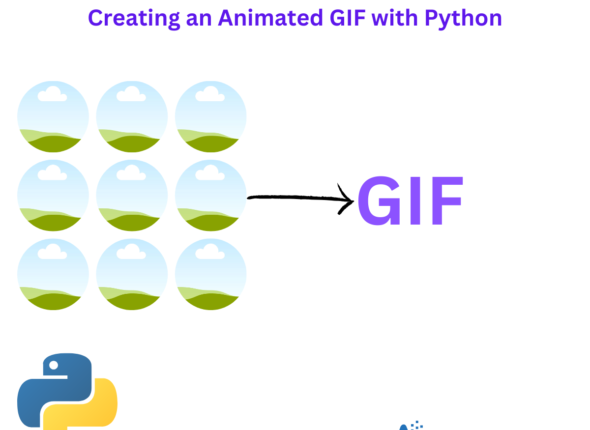
How to Create an Animated GIF with Python
The easiest way to create an animated GIF in Python is to import the “imageio” library and use its “.imwrite()”…
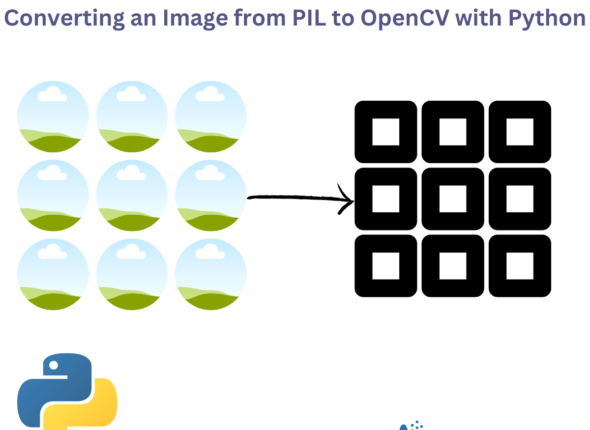
How to Convert a PIL Image to OpenCV in Python
Here are three ways to convert an image from PIL to OpenCV: Using cv2.cvtColor() Using cv2.imdecode() with Bytes Buffer Using…
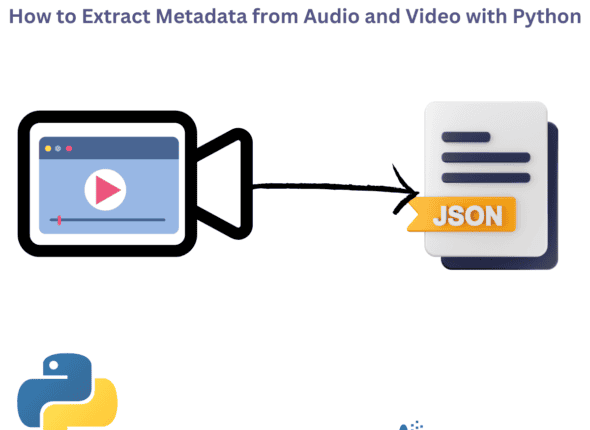
How to Metadata from Audio and Video with Python
Here are two ways to extract metadata from audio with Python: Using TinyTag library Using FFmpeg’s ffprobe via subprocess The metadata…
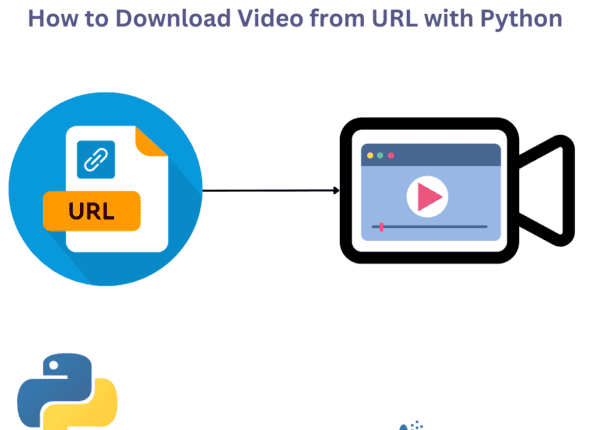
How to Download Video from URL with Python
Here are three ways to download a video from a URL with Python: Using the requests module Using urllib module…
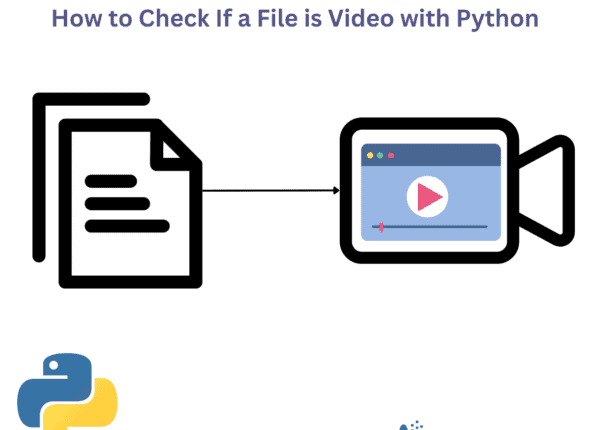
How to Check If a File is Video with Python
Here are three ways to check if a file is a video in Python: Using mimetypes (built-in library) Using python-magic…
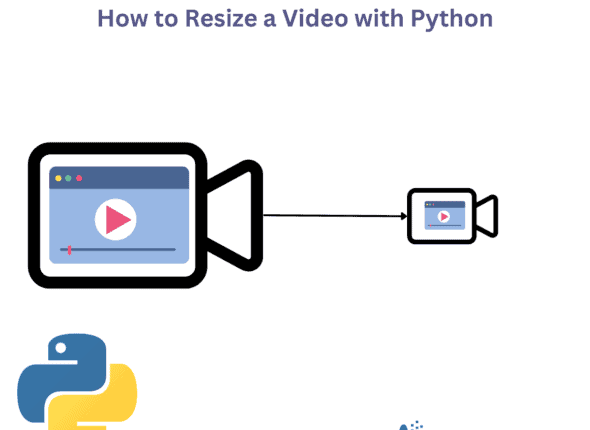
How to Resize a Video with Python
Resized videos can take up less memory space and require less processing power to handle large batches of videos. Smaller…
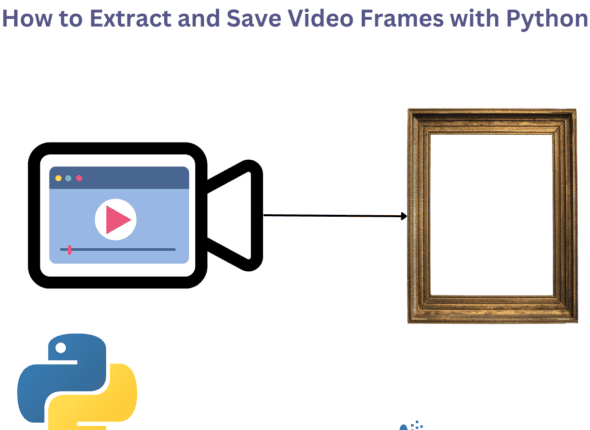
How to Extract and Save Video Frames with Python
Here are four ways to extract and save video frames in Python: Using OpenCV Using Moviepy Using FFMpeg Using ImageIO…
How to Get the Dimension of Video File with Python
You often need video dimensions for validation, resizing, transcoding, thumbnail generation, or computer vision tasks. Here are three methods for…
How to Extract an Audio from Video using Python
Here are three ways to extract audio from video with Python: Using the Moviepy library Using FFmpeg with subprocess Using…
