

How to Convert Numpy dtypes to Native Python Types
The most efficient and straightforward way to convert Numpy dtypes to Native Python data types is by using the “.item()”…
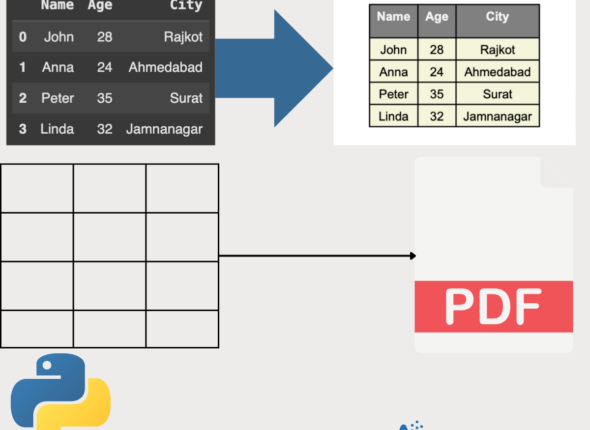
Exporting Pandas DataFrame into a PDF File in Python
PDFs are widely regarded as the best portable document-sharing format. You can open a PDF on any device, system, or…
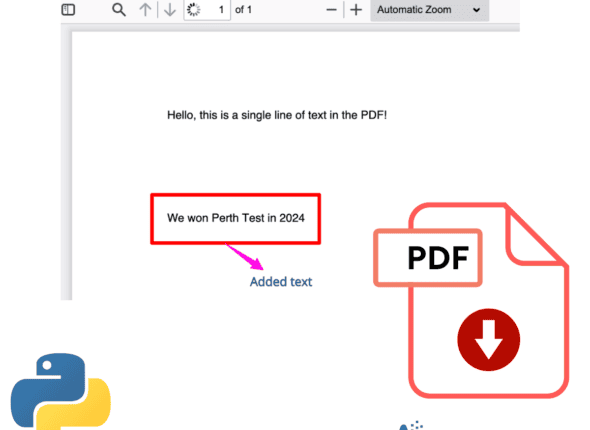
How to Efficiently Add a Text to an Existing PDF in Python
Whether you want to add watermarks, copyright notices, comments, or highlights, you need to create a mechanism to help you…
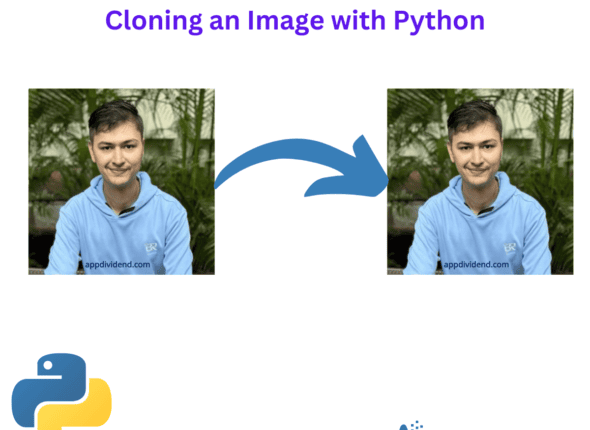
How to Clone an Image with Python
Here are two ways to clone an image with Python: Using the Pillow library Using the OpenCV library Cloning an…
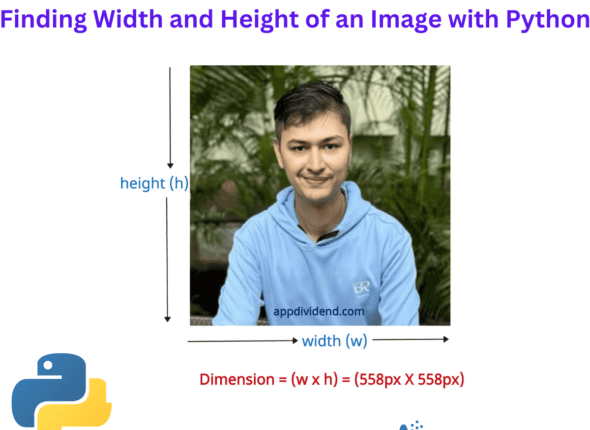
How to Find Width and Height of an Image with Python
The dimension of an image is defined by its width and height and typically represented as (w × h). Here are three…
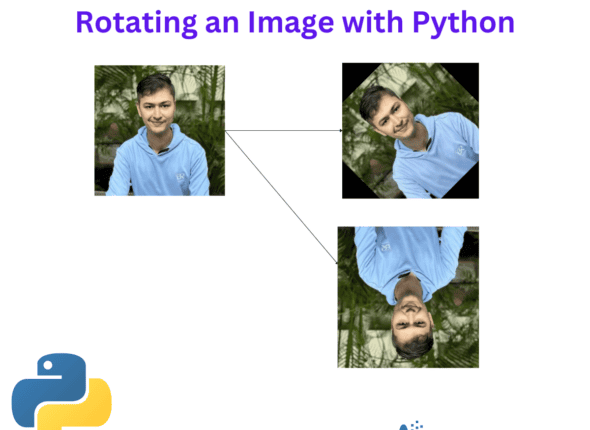
How to Rotate an Image with Python
Rotating images involves transforming an image by shifting its pixel positions around a specific point based on an angle. In…
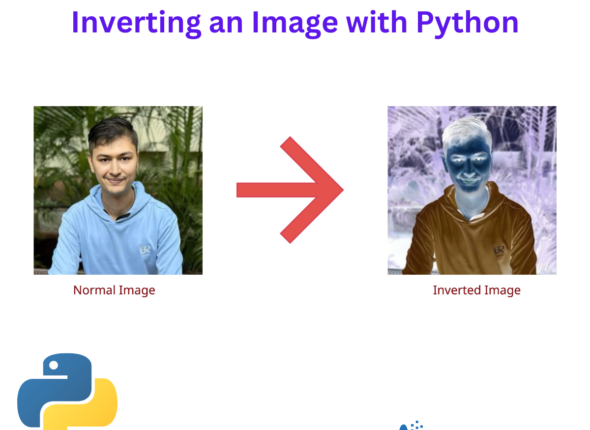
How to Invert an Image with Python
Image inversion is a process in which each pixel’s intensity value is subtracted from the maximum possible value, creating a…

How to Add Text to Images using Python
The easiest way to add text to an image with Python is by using the Pillow Library’s ImageDraw and ImageFont…
How to Create an Animated GIF with Python
The easiest way to create an animated GIF in Python is to import the “imageio” library and use its “.imwrite()”…
How to Convert a PIL Image to OpenCV in Python
Here are three ways to convert an image from PIL to OpenCV: Using cv2.cvtColor() Using cv2.imdecode() with Bytes Buffer Using…
