
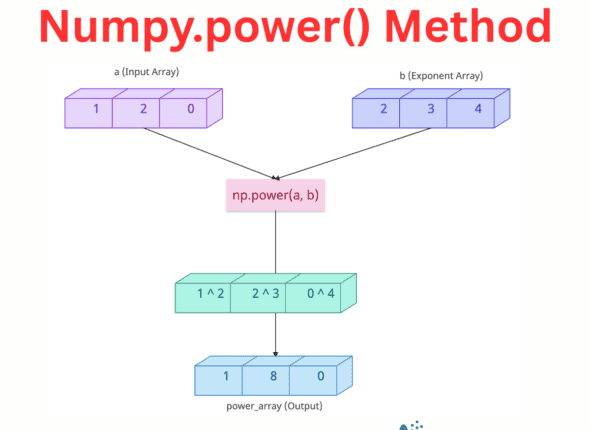
Numpy.power() Method in Python
Numpy.power() method calculates the exponential value of each element in the first array raised to the power of the corresponding…

Python statistics.median() Method: Calculating Middle Value
Python statistics.median() function calculates the median of the given dataset, which represents the middle value when the data is sorted…
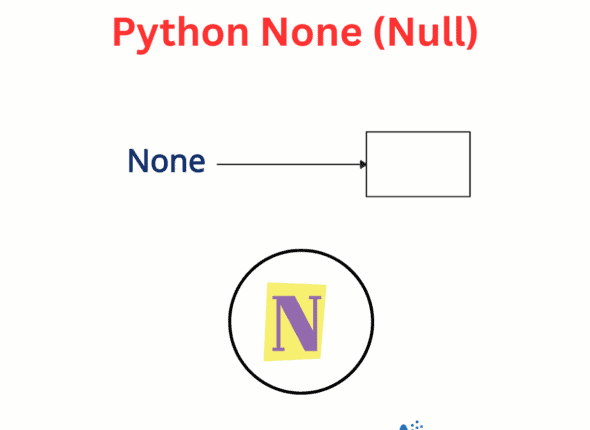
None (Null) in Python: What is it and Why is it useful?
There’s no null in Python; instead, there’s None. The Null is called None, a special object representing the absence of a value.…

Python List remove(): Deleting Elements from a List
Python list remove() is a built-in function that removes an element by value in the list. It modifies the list…

How to Check a Data Type of a Variable in Python
To check the data type of a variable in Python, use either the type() or isinstance() method. Data type checking is…

How to Unzip a File in Python
To unzip a file in Python, use zipfile.ZipFile to open the archive and extractall() to unzip everything to the current…
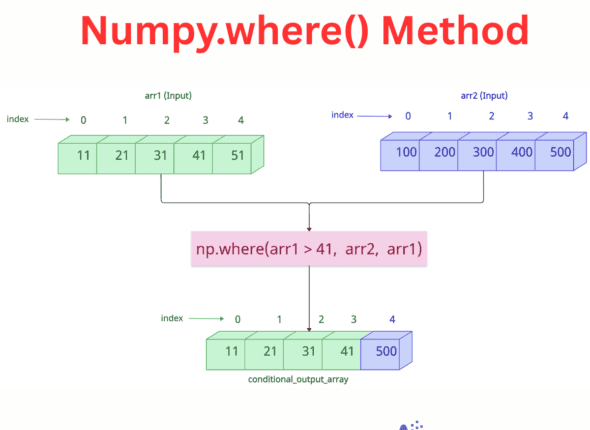
Numpy.where(): Conditional Selection of Array Elements
Numpy.where() is a conditional selection function that returns elements from arrays based on conditions. It operates in two distinct modes:…
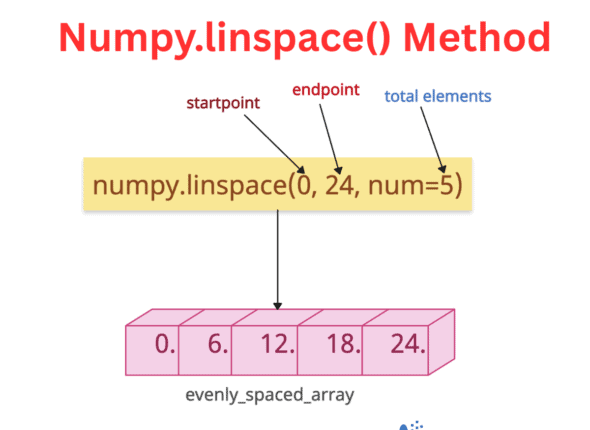
Numpy.linspace(): Generating Evenly Spaced Numbers
Numpy.linspace() method generates evenly spaced numbers over a specified interval. It returns an array of num equally spaced samples in…
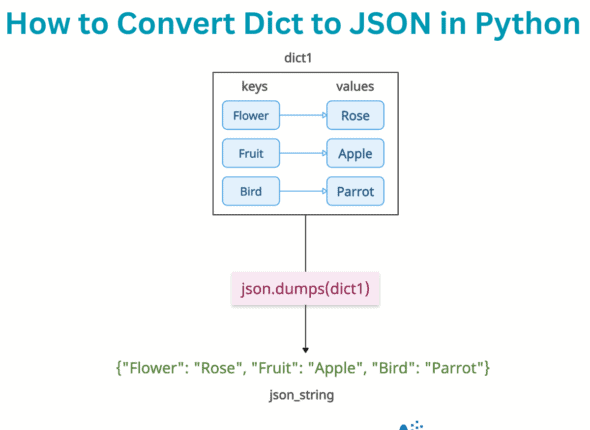
How to Convert Dictionary to JSON in Python
To convert a dictionary to a JSON string in Python, use the built-in json.dumps() method. If you want to write…
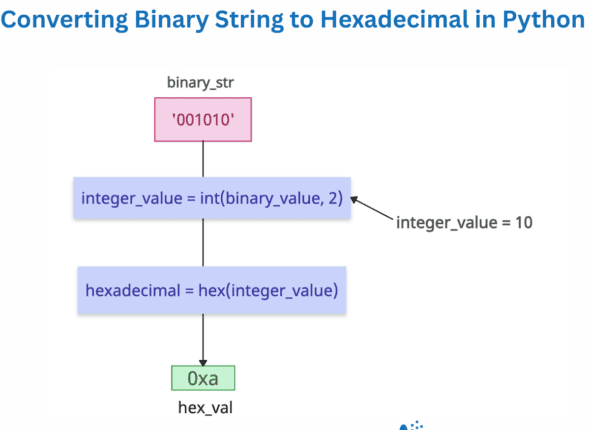
How to Convert Binary to Hexadecimal in Python
The most efficient way to convert a binary string to a hexadecimal is to convert that binary to an integer…
