

How to Find the Closest Value in Python List
The best and efficient way to find the closest value in a Python list is to use the combination of…

Python statistics.mean(): Finding an Average of a List
Python statistics.mean() is a built-in method that calculates the sample arithmetic mean (commonly known as the “average”) of input numeric…

Removing the First Character From String in Python
The most efficient and Pythonic way to remove the first character from a string is by starting the slice from…

How to Remove an Element from a Set If It Exists in Python
The most Pythonic way to remove an element from a set, if it exists, is using the .discard() method. …

How to Replace Elements in a Python List
If the index is known, the easiest way to replace a specific element in a Python list is to assign a…

How to Calculate a Percentage in Python
There is a straightforward formula that you can use to calculate a percentage in Python: (part / whole) * 100.…

Python List pop() Method
Python list pop() method removes an element at the specified index and returns the removed element. It is an in-place…
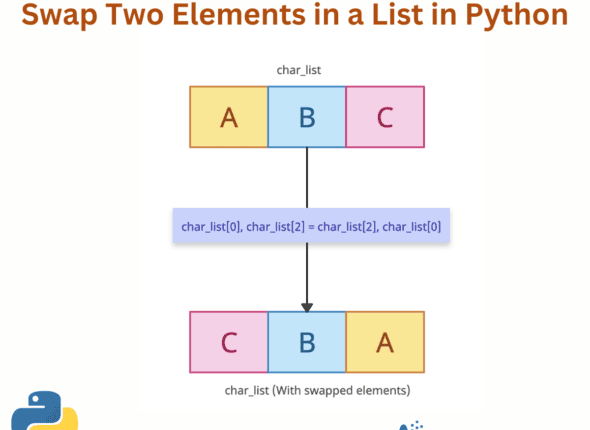
How to Swap Two Elements in a List in Python
The most efficient way to swap two list elements in Python is to use the “multiple assignment” method. It exchanges…
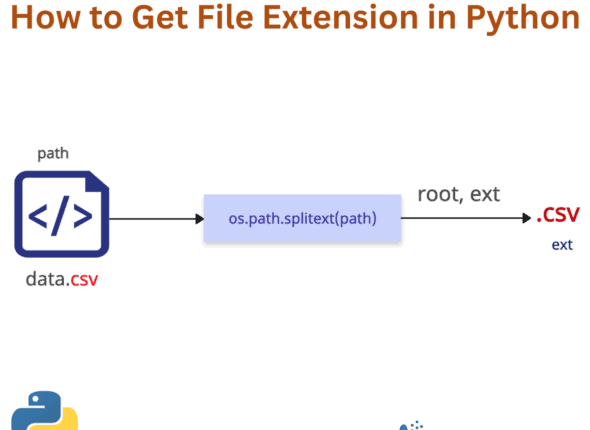
How to Get File Extension in Python
The most recommended way to get a file extension in Python is to split the filename into a tuple (root,…
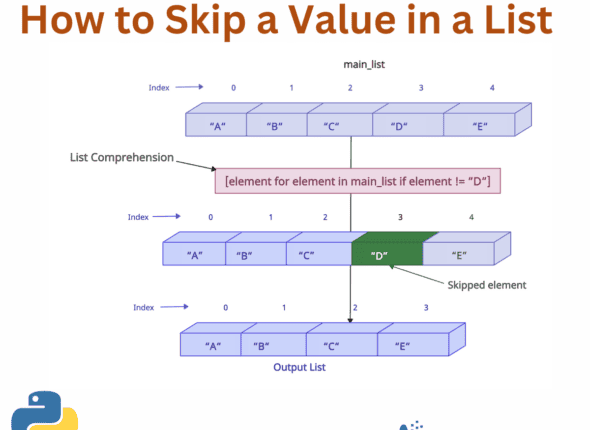
How to Skip a Value in Python List
Skipping a value in the list means ignoring specific value(s) while iterating. You can skip a value based on the…
