
Blog

JavaScript Object.assign() Method
JavaScript Object.assign() is a built-in static method that copies all enumerable own properties from one or more source objects to…
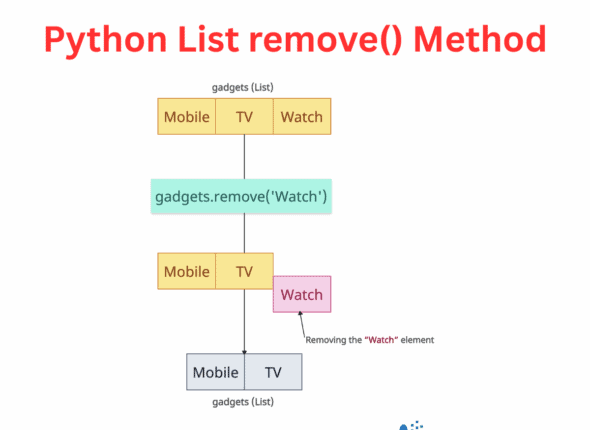
Python List remove(): Deleting Elements from a List
Python list remove() is a built-in function that removes an element by value in the list. It modifies the list…

How to Check a Data Type of a Variable in Python
To check the data type of a variable in Python, use either the type() or isinstance() method. Data type checking is…

How to Unzip a File in Python
To unzip a file in Python, use zipfile.ZipFile to open the archive and extractall() to unzip everything to the current…

JavaScript String slice(): Extracting a Portion of a String
JavaScript String slice() is a built-in function that extracts a portion of a string and returns it as a new…

JavaScript String trim(): Removing Whiltespace Characters
JavaScript String trim() function removes whitespace characters from both the beginning (leading) and end (trailing) of a string, returning a…
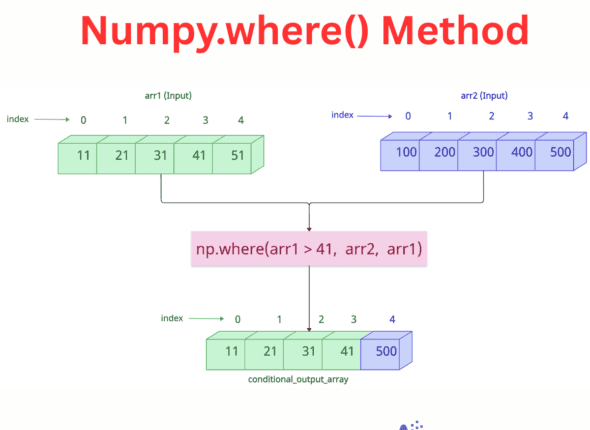
Numpy.where(): Conditional Selection of Array Elements
Numpy.where() is a conditional selection function that returns elements from arrays based on conditions. It operates in two distinct modes:…
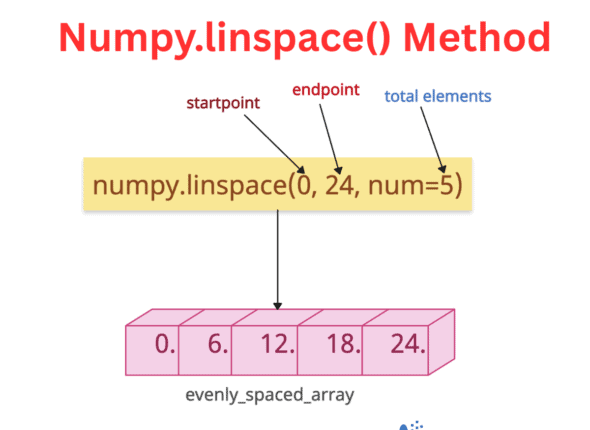
Numpy.linspace(): Generating Evenly Spaced Numbers
Numpy.linspace() method generates evenly spaced numbers over a specified interval. It returns an array of num equally spaced samples in…
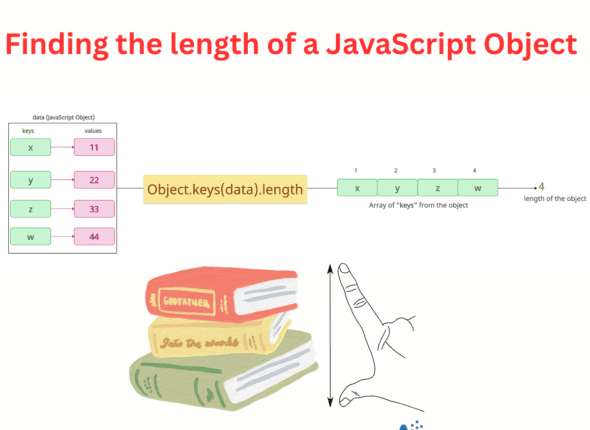
How to Find the Length of an Object in JavaScript
The best choice to find the length of a JavaScript Object is to use the Object.keys().length approach. It counts the…

JavaScript String includes(): Check If a String Contains a Substring
JavaScript String includes() is a built-in function that checks for the presence of a substring (or sequence of characters) within…
