
Blog
How to Get the Last Day of the Month in Python
Finding the last day of a month is essential for date-range queries, billing cycles, financial calculations (e.g., end-of-month balances), data…
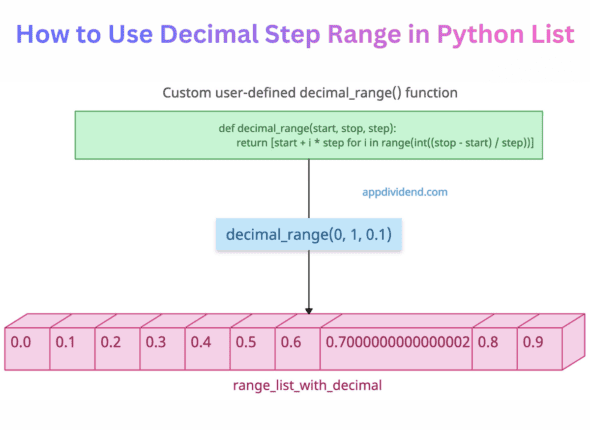
How to Use Decimal Step Range in Python List
The range() function by default does not support a decimal (float) step in Python. It always accepts an integer. But…

How to Check If a Variable is a Function in Python
If you are looking for dynamic code execution, callback validation, decorator creation, and plugin systems, you need to check whether…

How to Convert Date to Datetime in Python
The date object only contains date-like (YYYY-dd-mm), and the datetime object contains date + time. Converting a date to a…
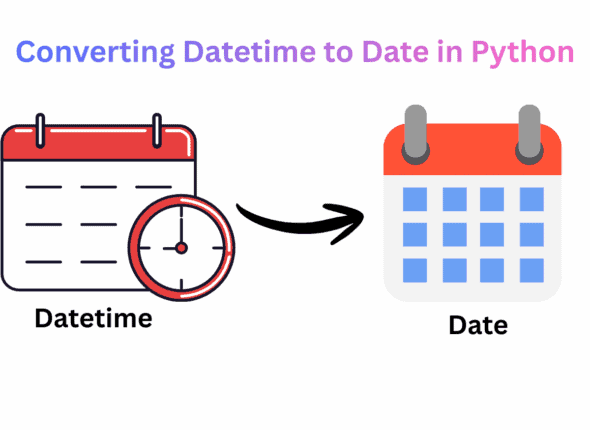
How to Convert a Datetime to a Date in Python
A datetime has a date + time, and a date has only a date. So, there is a difference. If…

How to Set Environment Variables in Python
Environment variables are key-value pairs stored in an OS Environment. It is basically an application configuration, such as API keys,…
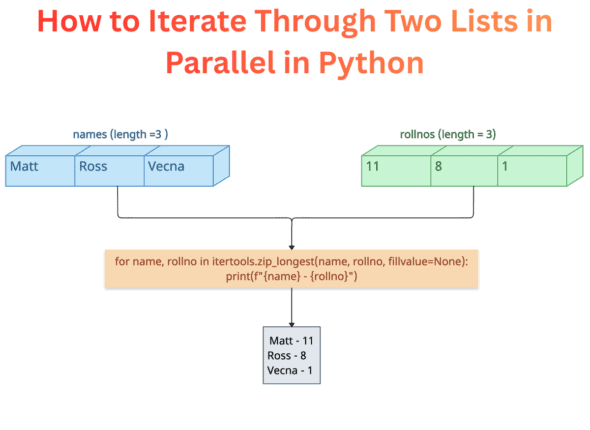
How to Iterate Through Two Lists in Parallel in Python
When you are working with multiple lists, you may want to iterate through multiple lists in parallel to process paired…
How to Create a Constant in Python
Whether you want to prevent accidental modification, provide type safety in large projects, or improve readability and maintainability, you need…
How to Check If an Object is Iterable in Python
A Python iterable is an object that is capable of returning one element at a time, and you can use…
How to Select a Random Element from a List in Python
Selecting a random element(s) from a list provides randomness for test data generation, simulation, and unpredictability in testing. Here are…
