
Blog

Python “-m” flag Example and How to Use It
The -m (module name) flag in Python allows us to run a library module as a script. It enables the execution of…

Python os.rename(): Renaming a File or Directory
The os.rename() is a built-in Python function that renames a source directory or a file to a specified destination directory…
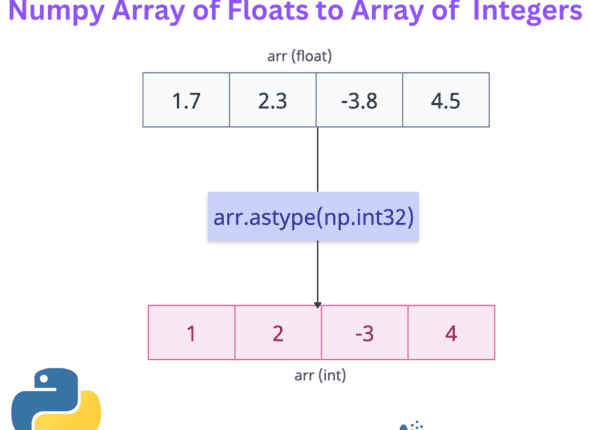
How to Convert NumPy Array of Floats to an Array of Integers
Numpy astype() method is the most common and efficient way to convert a numpy array of floats to an array…
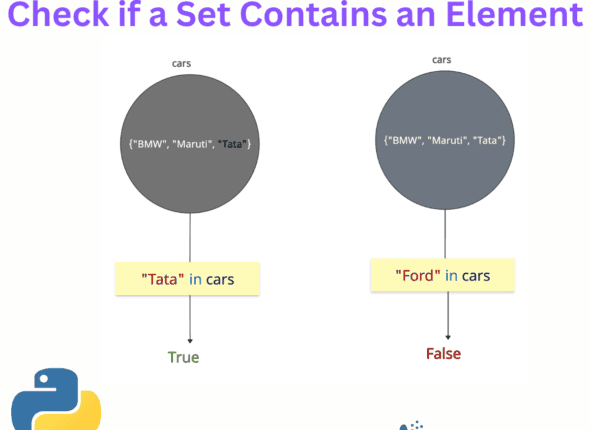
How to Check If an Element Exists in a Python Set
The most Pythonic way to check if an element exists is to use the in operator. Sets provide O(1) average…
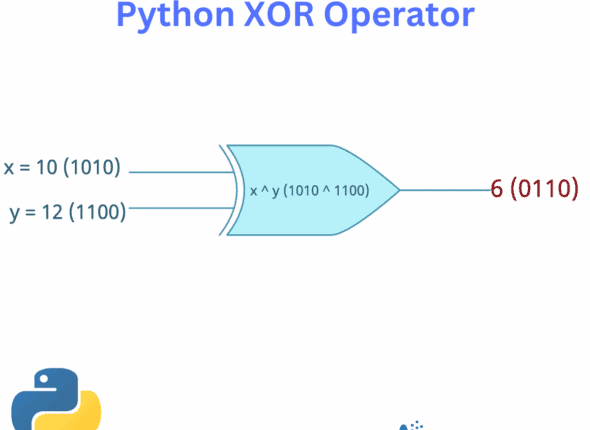
Python XOR: How to Use Bitwise XOR Operator
The XOR (Exclusive OR) operator in Python, represented by ^ (carat), performs a bitwise exclusive OR operation on two integers.…
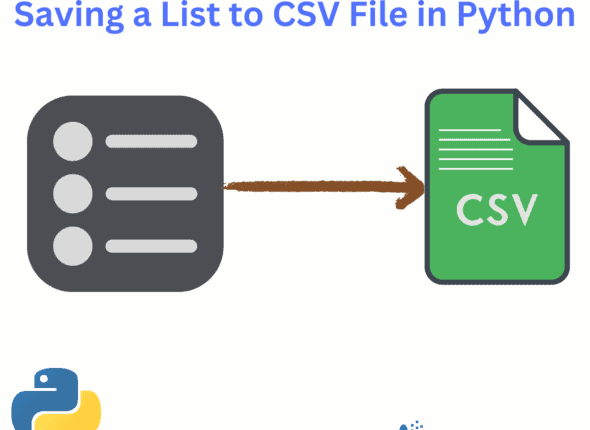
How to Convert List to CSV in Python
Python’s csv Module provides the csv.writer() object to write a list into a CSV file. This object provides a writerow()…
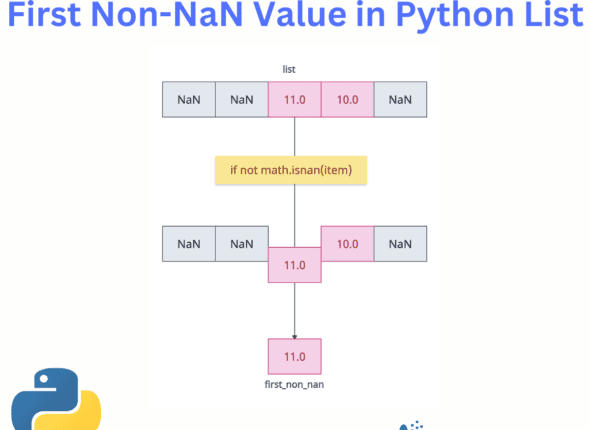
How to Find the First Non-NaN Value in a Python List
Use is.nan() function with an if not statement in Python to find the first non-nan value in a list. The…
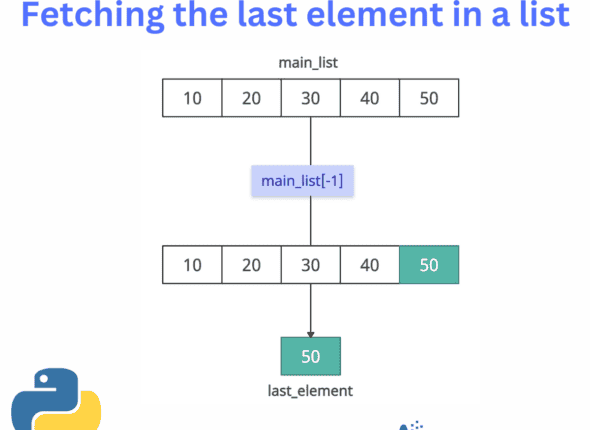
How to Get the Last Element of a List in Python
The most recommended and Pythonic way to retrieve the last element of a list is to use negative indexing (list[-1]),…
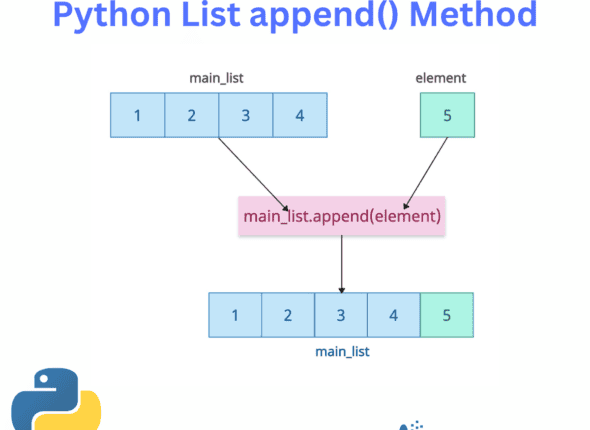
Python List append(): Adding an Element to a List
Python list append() method appends an element at the end of the list. It returns None because it does not…
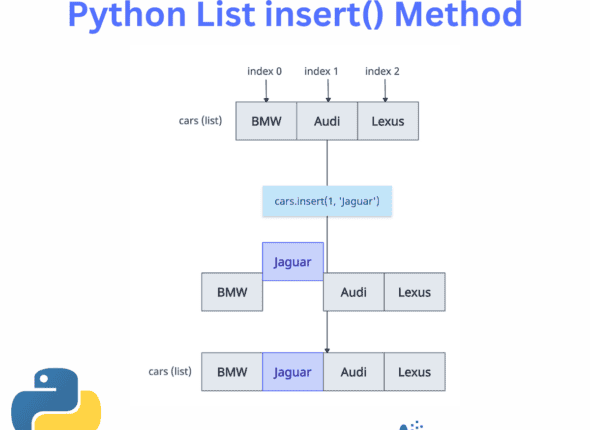
Python List insert(): Adding an Item to a Specific Position
The list.insert() method inserts a specific element at the specified index in Python. The list append() method adds elements to…
