
Blog
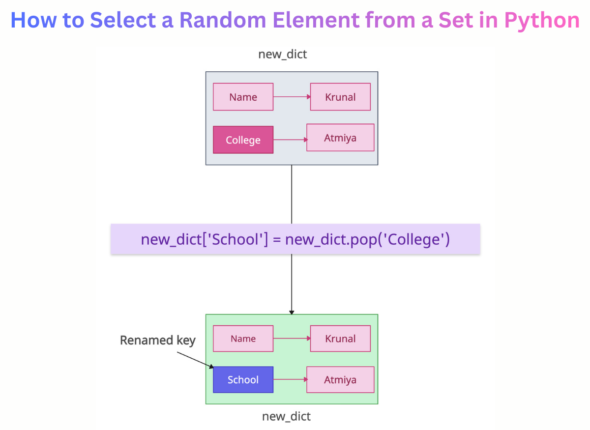
How to Change the Name of a Key in Python Dictionary
Whether you are processing external APIs or transferring data between different systems, standardizing dictionary keys when processing APIs prevents bugs.…
How to Select a Random Element from a Set in Python
Selection of a random element from a collection, like a Set, lets you sample unique, unordered elements such as IDs…
Python strftime(): Converting Datetime to String
Python strftime() function lets you convert a datetime object (representing the current date and time) into a string based on…
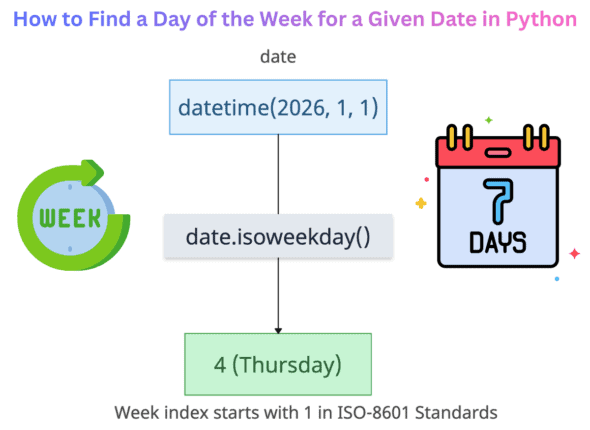
How to Find a Day of the Week for a Given Date in Python
Want to know on which day you were born? Here’s a simple way to find out. The most efficient way…
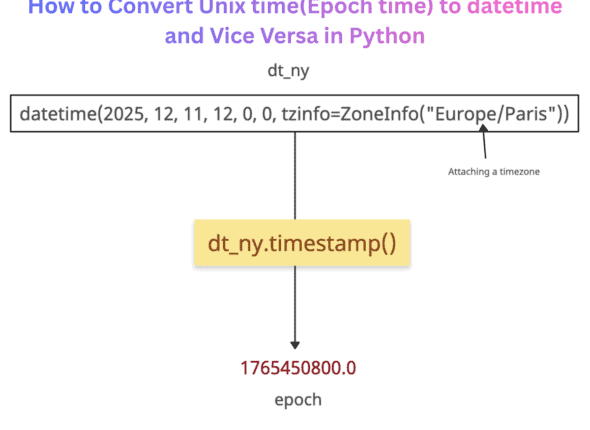
How to Convert Unix time(Epoch time) to datetime and Vice Versa in Python
What is a Unix (Epoch) time? It is the number of seconds that have elapsed since January 1, 1970 (00:00:00…
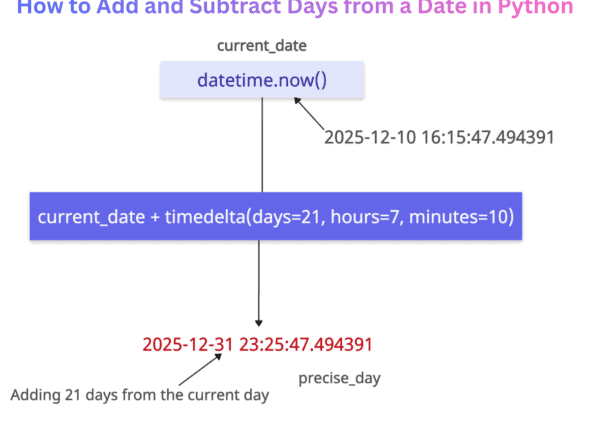
How to Add and Subtract Days from a Date in Python
Let’s say you are working on a monthly subscription-based application, and when a user subscribes, you need to add a…
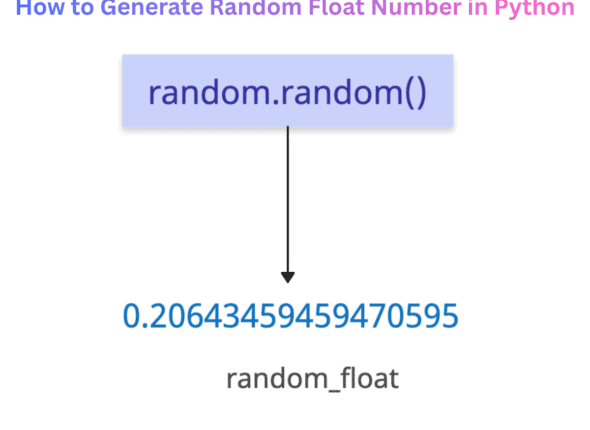
How to Generate Random Float Number in Python
What if you are working on a network simulator and you want to delay VoIP calls in fractions of seconds…
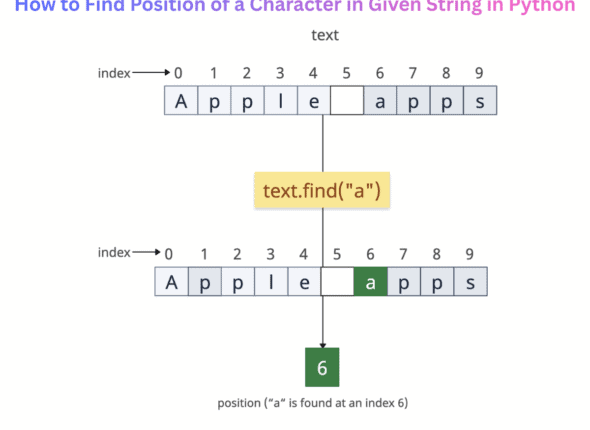
How to Find Position of a Character in Given String in Python
The character’s position in a string allows you to locate where specific data exists within the text that helps you…
How to Convert Seconds to Hours Minutes Seconds in Python
What if you have an API data coming from the servers, and at that time, the time is in seconds,…
How to Change Font Size in Matplotlib in Python
In Python, the best library for data visualization is Matplotlib. It provides various ways to deal with fontsize, color, family,…
